About C-MAST
Advancing Mechanical and Aerospace Science and Technologies to address current and future engineering challenges.
Who We Are
The Centre for Mechanical and Aerospace Science and Technologies, C-MAST, is a research unit dedicated to advancing knowledge in Mechanical and Aerospace Engineering.
Originally founded in 1994 as the Centre for Aerospace Science and Technologies, CAST, the unit expanded its scientific scope over the years to include a broader range of research areas, from astrodynamics and aerospace systems to energy, fluids, materials, structures, and technological innovation. Reflecting this evolution, the Centre was renamed C-MAST in 2013.
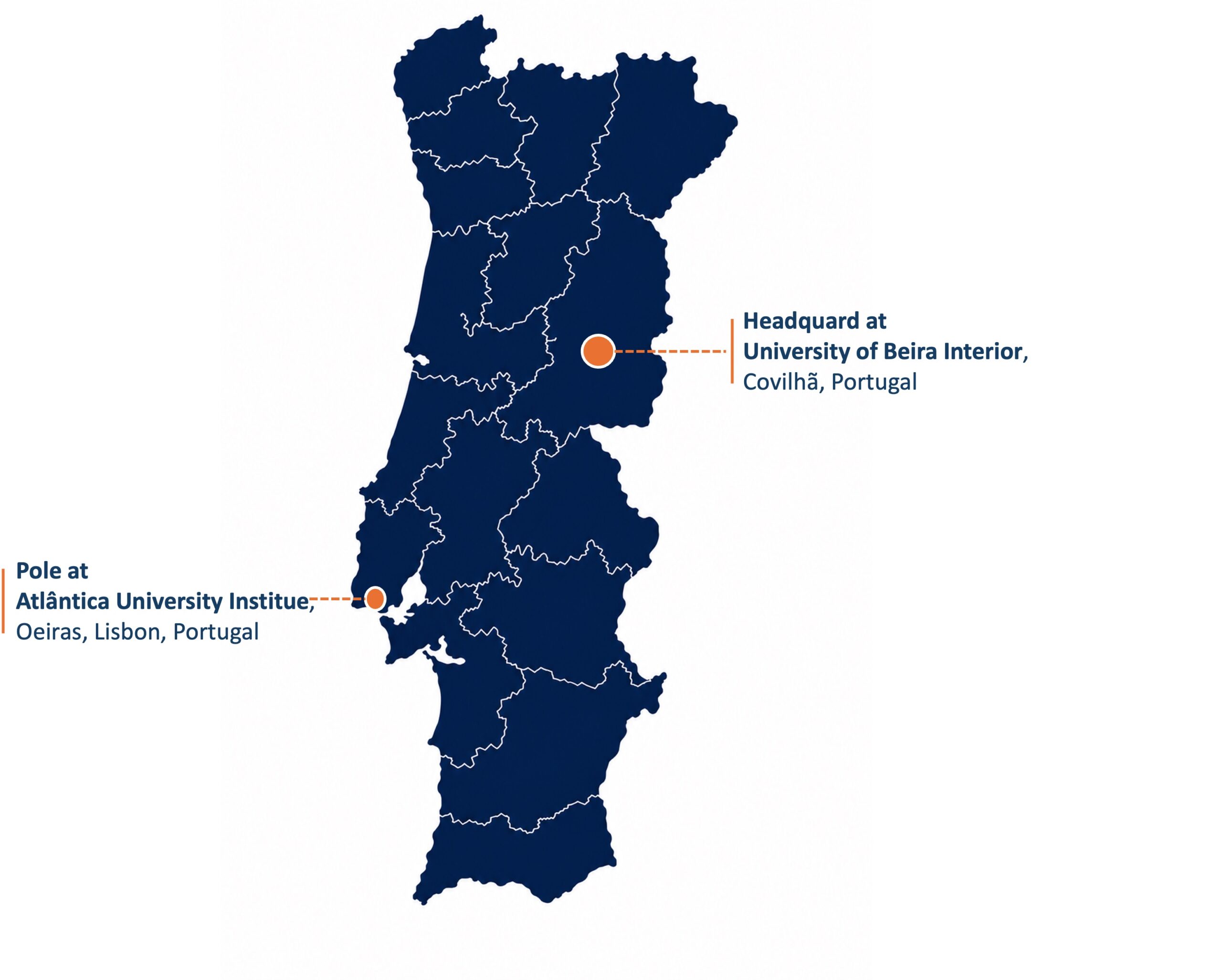
The Centre’s headquarters are located at the University of Beira Interior, with an additional research hub at the Atlântica University Institute.
Our Mission
C-MAST’s mission is to carry out high-level research, strengthen international collaborations, support the training of MSc, PhD, and postdoctoral researchers, and contribute to scientific employment and innovation.
The Centre is also strongly committed to knowledge dissemination through seminars, outreach initiatives, collaborations with schools, and participation in national and international research networks.
With a growing community of experienced researchers, young doctorates, and international collaborators, C-MAST aims to remain a motivating research environment where science, technology, and innovation come together to address current and future engineering challenges.

High-level Research

International Collaboration

MSc, PhD and Postdoctoral Training

Scientific Employment & Innovation

Knowledge Dissemination

Research Networks and Schools
Research Structure
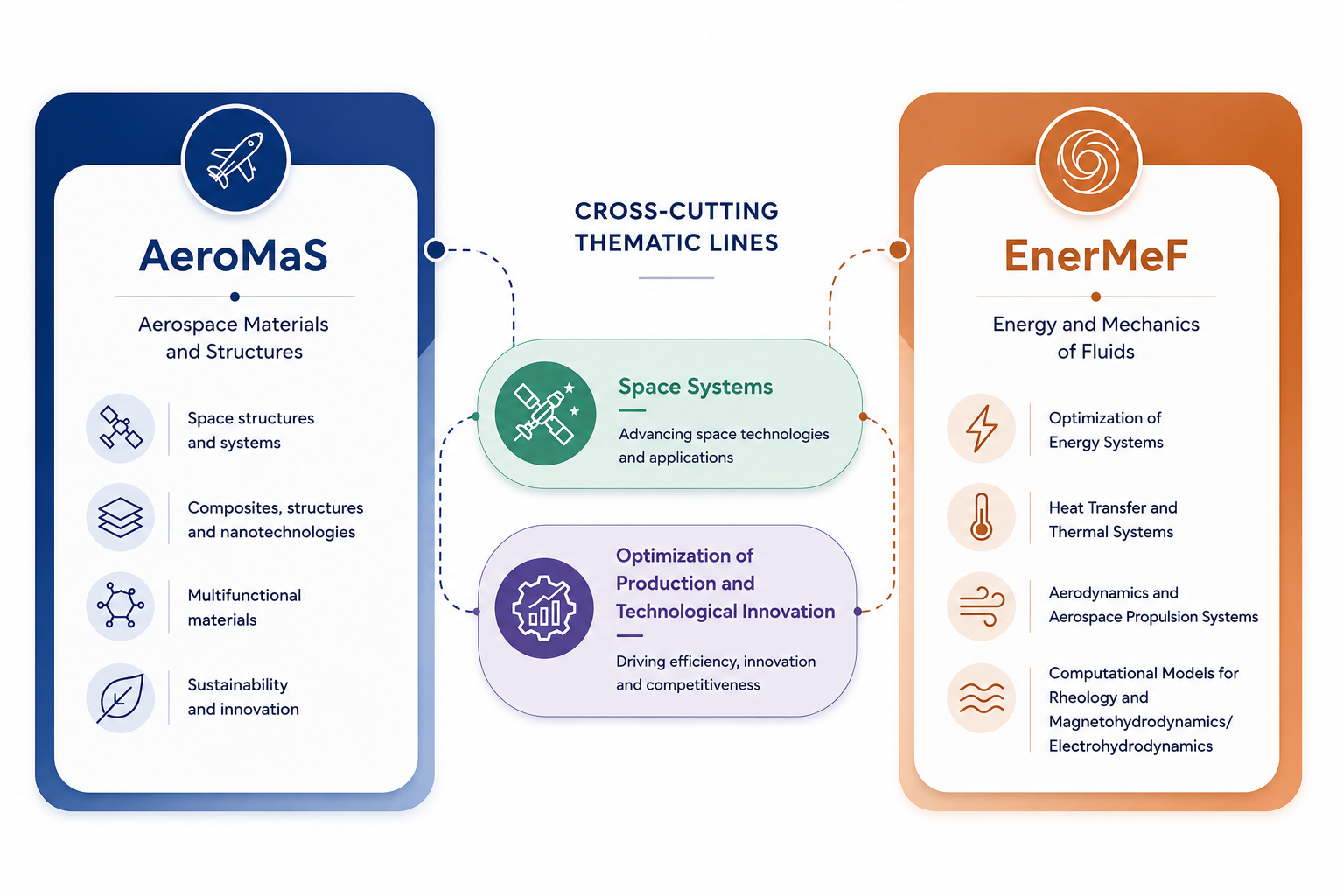
C-MAST research activities are organized around two main research groups and two cross-cutting thematic lines that promote interdisciplinary collaboration.
- AeroMaSAerospace Materials and Structures
- EnerMeFEnergy and Mechanics of Fluids
Cross-cutting thematic lines
- Space Systems
- Optimization of Production and Technological Innovation
International Collaboration
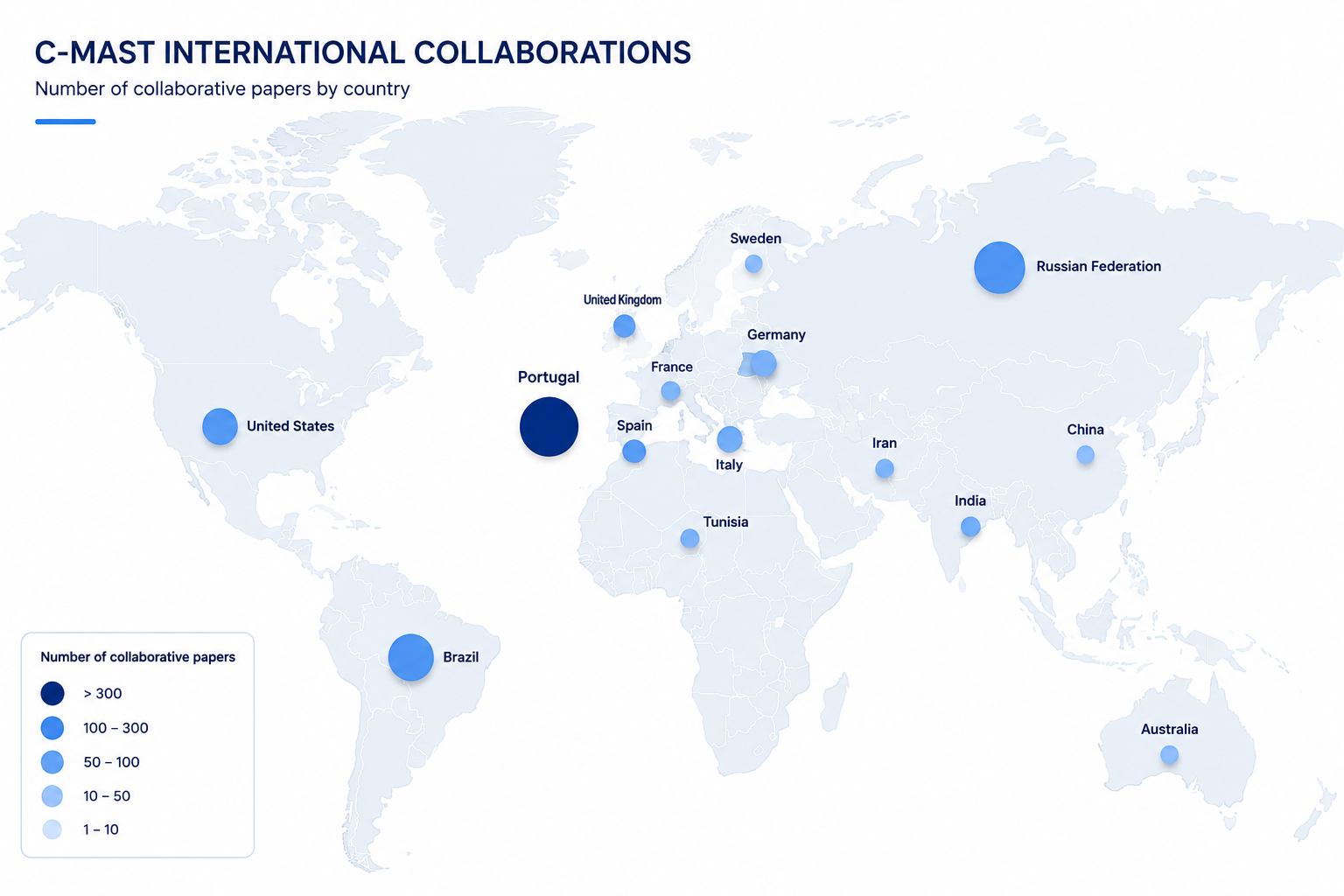
The Centre brings together integrated and collaborating members from several Portuguese institutions, including universities and polytechnics, as well as researchers from the United Kingdom, Brazil, Italy, Russia, and other countries.
30+
Countries

120+
International Collaborators

80+
Partner Institutions
Integrated in Several Research Networks